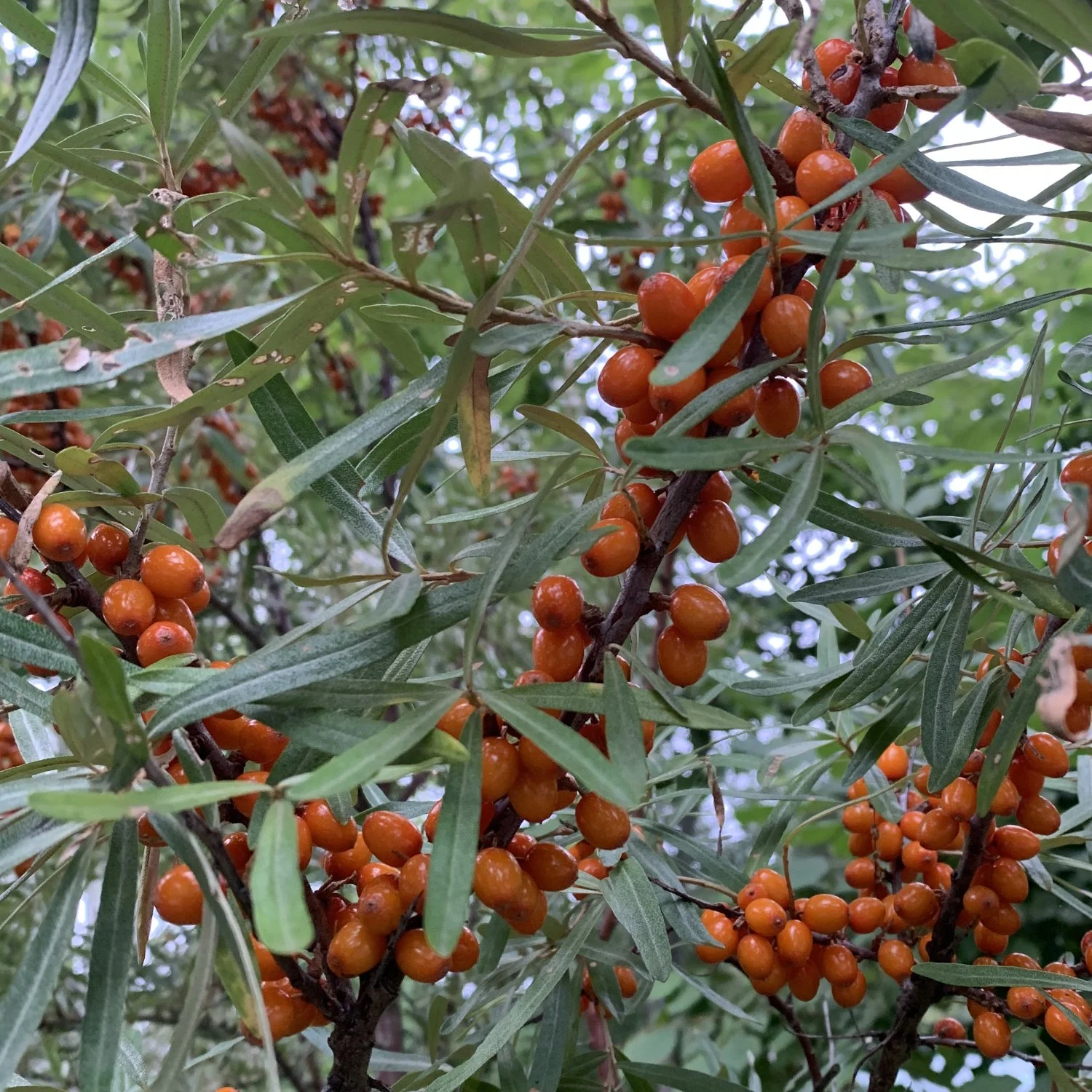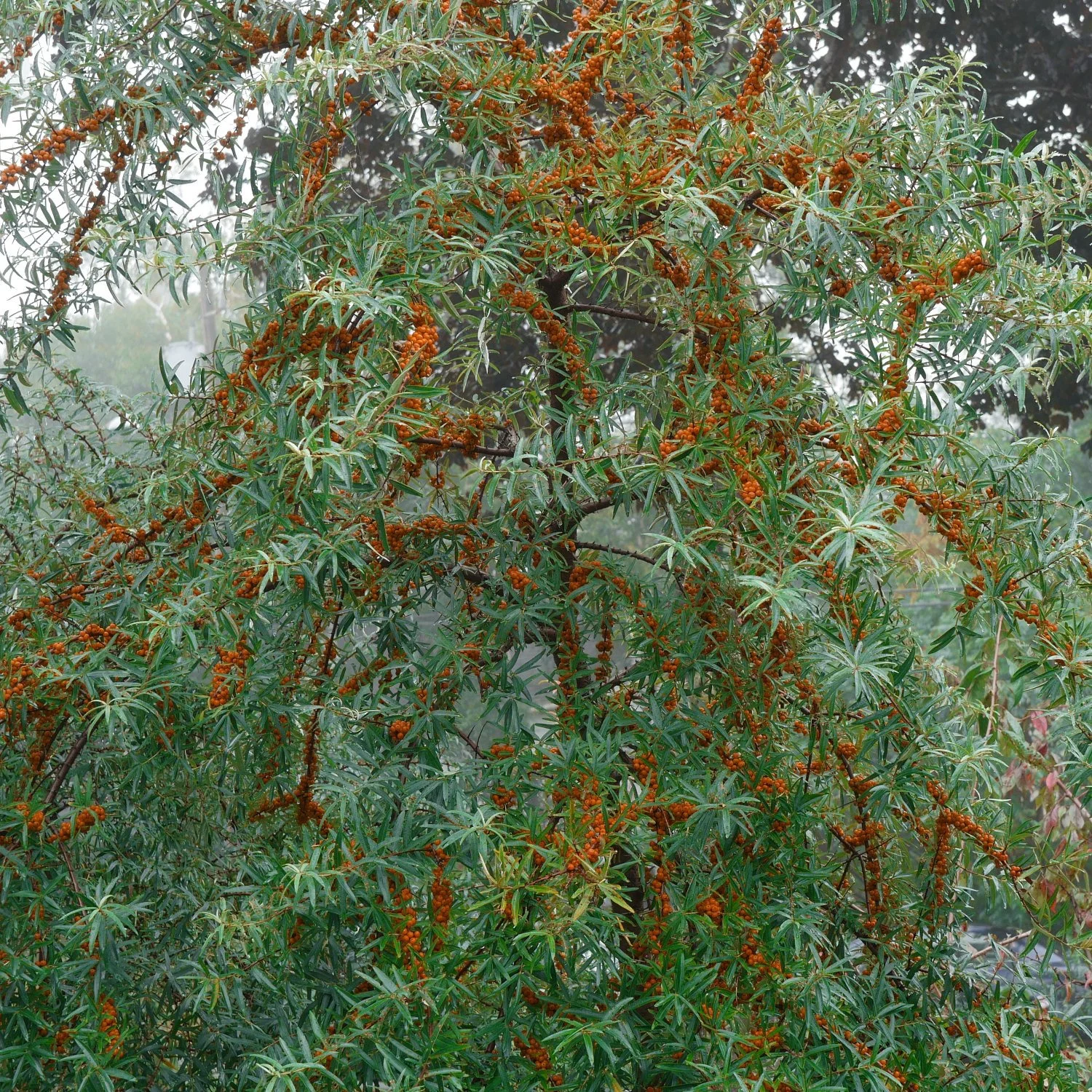
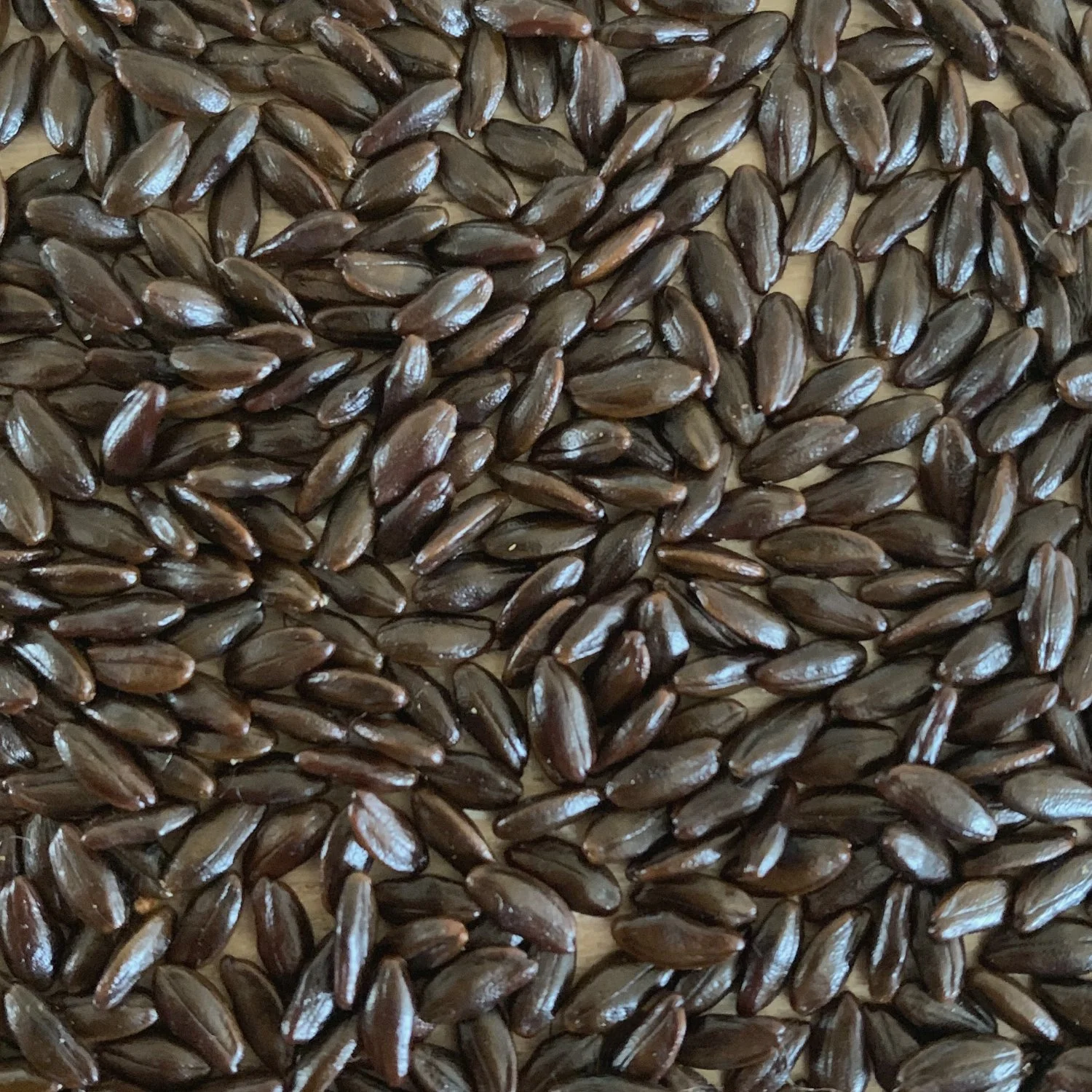
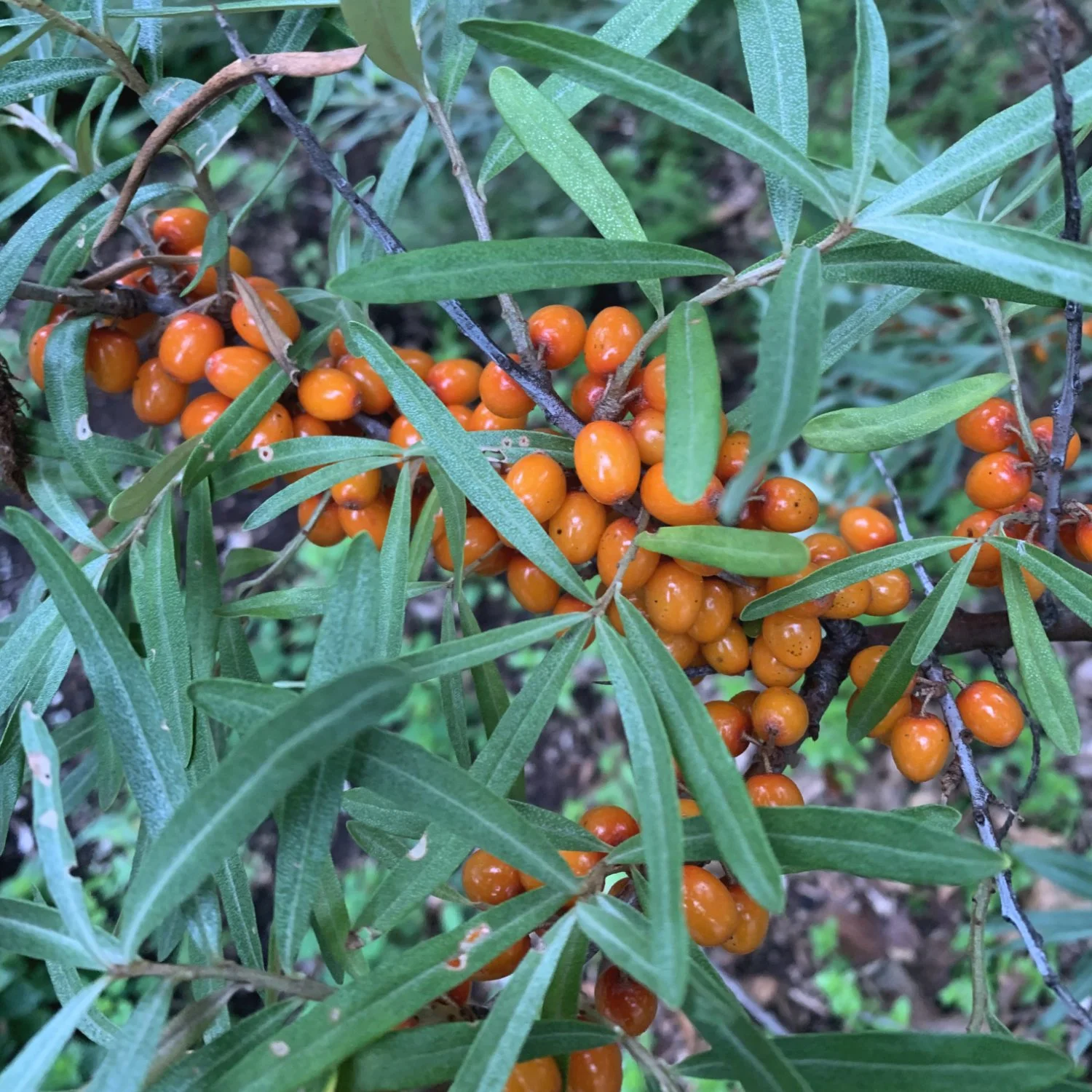
Sea Buckthorn Seeds

$5.00

Latin name: Hippophae rhamnoides
Uses: Edible, Medicinal, Nitrogen fixer
Lifecycle: Perennial (zones 3-8)

Sea buckthorn is a hardy, thorny perennial shrub. Sea buckthorn berries, sometimes referred to as Seaberries, are highly medicinal, nutritional, rich in antioxidants and flavonoids, easily earning their classification as a superfood. The sweet, tart juice can be used as a sweetener for herbal tea, and the berries are often made into sauces, marmalades, or jellies.

Sea buckthorn shrubs can survive in the poorest and sandiest soils and have been used for controlling erosion on coastlines. With their ability to fix atmospheric nitrogen they are particularly useful in permaculture plantings.

These seeds are from superior cultivars that have been selected for sweeter large berries and low-thorn making harvesting easier.

25+ Seeds

Growing:
Soak your seeds for 24 hours. Place into a bag with semi-moist peat moss or sand and warm stratify for 28 days. Then place into fridge to cold stratify for 90 days. Plant stratified seeds in pots or a nursery bed using standard potting soil, protected from pests and rodents. Sea buckthorn seeds are a 50/50 mixture of male and female seeds. The female plants will start producing berries in their third or fourth year. Once you can decipher the males from the females you will want one male plant for every six female plants to ensure pollination. While they tolerate light shade, these shrubs will produce best in full sun.

Height: Up to 20’